en

Search
 English
 日本語
日本語 한국어
한국어 عربى
عربى Español
 русский
Inquiry Now
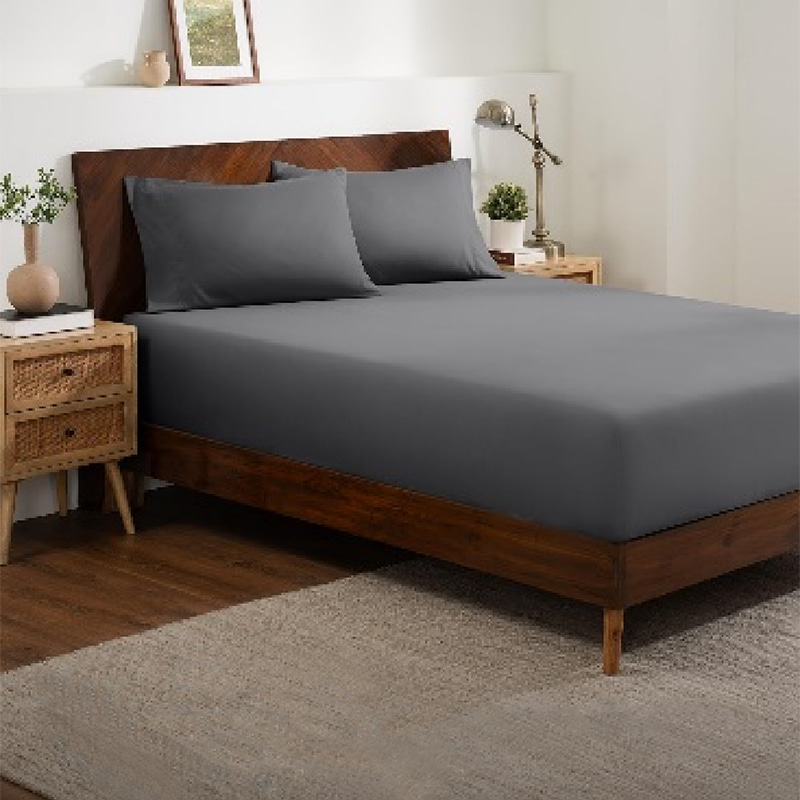
Getting the right bed sheet measurements chart can save you from loose corners, slipping fitted sheets, and wasted money on wrong-size bedding. A twin mattress needs a 39 x 75 inch fitted sheet, while a king needs a 76 x 80 inch sheet, so the differences matt...
View DetailsImagine opening a brand-new set of sheets and discovering that the fitted corners pop off your mattress every single night. Or, as a wholesale buyer, receiving a whole batch of "double bed" bedding and only later realizing that the dimensions on the label do ...
View DetailsA well-made bed is one of those quiet pleasures that many people do not appreciate until they have actually experienced it. The mattress is protected, the sheets feel smooth and cool, the duvet sits at just the right weight, and the pillows support your head ...
View DetailsA queen bed size is the most common mattress size for couples and singles who want extra sleeping space. It measures 60 inches wide by 80 inches long, which is enough for two adults to sleep comfortably without feeling cramped. Choosing the right bedding for ...
View DetailsSynthetic Fiber Pillow at a Glance: Direct Answer A synthetic fiber pillow is a pillow core filled entirely with man-made fibers, most commonly hollow polyester fiber or siliconized fiber, engineered to approximate the loft and softness of natural down while ...
View DetailsDown Quilts at a Glance: Direct Answer and Quick Recommendations Down quilts are lightweight bedding items filled with the soft under-plumage of ducks or geese, encased inside a woven or sateen shell and stitched into segmented chambers that keep the fill eve...
View DetailsA quilt core is the inner fill layer of a quilt, enclosed between two layers of shell fabric and secured in place by a quilting stitch pattern, and its fill material, fill weight (measured in GSM), and stitch construction together determine how warm, lightweig...
View DetailsWhat Is a Quilt Core and Why It Matters for Bedding Quality The direct answer is this: a quilt core is the inner filling layer of a comforter or duvet that determines warmth, weight, breathability, and long-term durability, and choosing the right core type is...
View DetailsBedding sets are coordinated groups of sheets, a duvet cover or comforter, and matching pillowcases designed to work together as a single sleep system rather than as separate purchases. The right bedding set is chosen by matching fabric type to bedroom tempera...
View DetailsA pillow core is the inner filling and structural component of a pillow that determines its support, loft, and long term comfort, and it is the single factor that most influences whether a pillow keeps its shape night after night. The right pillow core is chos...
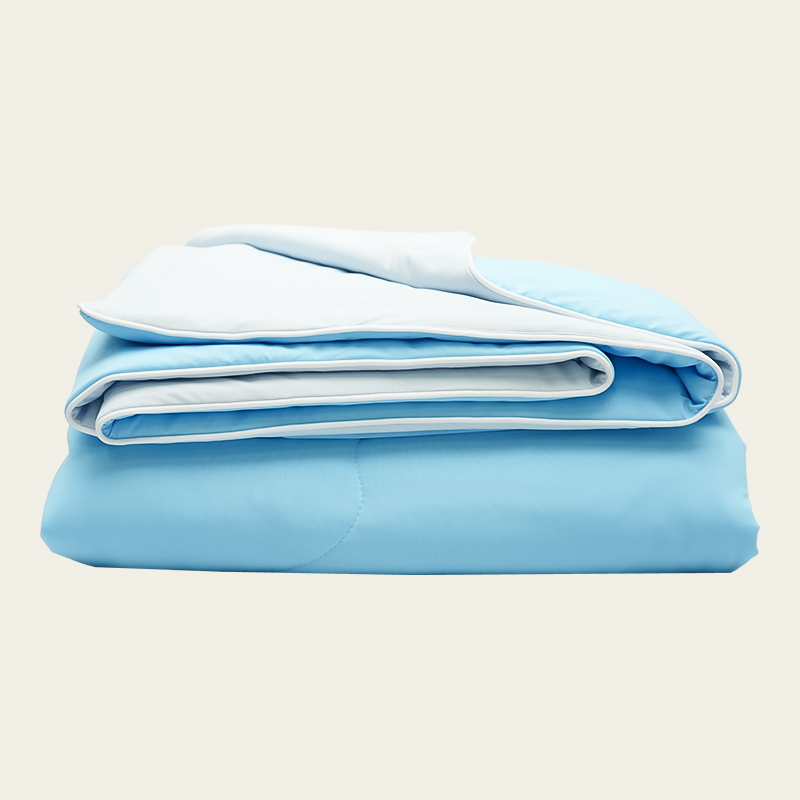
View DetailsA cooling quilt feels cool on first contact because its outer fabric and quilt core are engineered to pull heat away from the skin faster than an ordinary fabric does, producing a brief, measurable drop in surface temperature at the point of contact. This eff...
View DetailsChoosing bedding sets comes down to matching fabric structure to sleeping temperature and skin sensitivity, and the fastest way to narrow the decision is to compare cooling bed kits against pure cotton bedding sets and bamboo fiber bedding sets side by side be...
View Details
 Zhihao Industrial Park, Chuanjiang Town, Tongzhou District, Nantong, Jiangsu Province
 +86-13814711705
 yueluo800@163.com
Copyright © Nantong Yueluo Home Furnishings Co., Ltd
Rights Reserved.