en

Search
 English
 日本語
日本語 한국어
한국어 عربى
عربى Español
 русский
Inquiry Now
Content
A queen bed size is the most common mattress size for couples and singles who want extra sleeping space. It measures 60 inches wide by 80 inches long, which is enough for two adults to sleep comfortably without feeling cramped. Choosing the right bedding for a queen bed is not just about looks; it also affects sleep quality and comfort. As a home textile manufacturer with years of experience producing quilts, pillows, and bedding sets, we can help you understand what to look for. Here is the straightforward answer: focus on the size, material, and the way each piece works together.
A queen bed size is 60 inches wide and 80 inches long. It is larger than a full bed (54x75 inches) and smaller than a king bed (76x80 inches). This makes it a popular choice for master bedrooms, guest rooms, and even small apartments. Understanding the exact dimensions helps you avoid buying the wrong size sheets, duvet covers, and mattress protectors. For a queen bed, the bedding set is usually labeled “Queen” or “60x80.”
Let's look at a table for a clear comparison of common bed sizes.
| Bed Size | Width (inches) | Length (inches) | Best For |
|---|---|---|---|
| Twin | 38 | 75 | One child or adult |
| Full | 54 | 75 | One adult who likes more room |
| Queen | 60 | 80 | Two adults, couples |
| King | 76 | 80 | Two adults with a large bedroom |
| California King | 72 | 84 | Tall adults, spacious rooms |
Size differences affect not only the space you have, but also the bedding you need to buy. Different mattress sizes require different sheet dimensions, quilt core lengths, and pillow placements. Queen bed products are normally manufactured to the standard 60x80 specification, which makes replacement and matching easier. Many stores carry queen size bedding because it is such a popular choice. The following bar chart gives a visual comparison of the width of each common bed size.
The chart clearly shows that a queen bed sits in the middle of the range, narrower than a king but wider than a full. This is a major reason why queen size is so popular: it gives couples enough side-by-side space without demanding a massive bedroom. At 79% of the king width, a queen still feels generous for two adults. It is also easier to maneuver through doorways and fit into guest rooms than a king bed. When you buy a queen size bedding set, the fabric area is smaller than a king set, which means you can often use higher-quality materials without increasing the overall cost too much. The comfortable width also means you need a quilt core that can drape well over both sides without leaving cold gaps. For sleepers who toss and turn, a queen provides enough room to shift positions while staying under the same covers. Many homeowners who move from a full bed to a queen immediately notice the improvement in shoulder and hip space. This balance between roominess and practicality is why the queen bed size remains a top choice worldwide.
For many couples, a queen bed is the ideal compromise between a cramped full and an oversized king. It provides enough width for two average-size adults to sleep on their backs or sides without constantly touching. At the same time, it does not dominate a typical bedroom that is 10x12 feet or slightly larger. Because the queen standard is so widely used, bedding manufacturers focus heavily on this size. This gives you a bigger variety of color, style, and material options compared to less common sizes. Queen size is also a safe choice for guest rooms because almost any adult can sleep on it comfortably.
From a purely practical perspective, queen sheets are slightly cheaper than king sheets, since less fabric is required. That means you can invest in premium cotton, bamboo fiber, or cooling fabrics without blowing your budget. The same is true for quilt cores: a queen-size quilt is easier to launder and store than a king-size one. For many households, the queen size is the first choice that satisfies both comfort and space constraints.
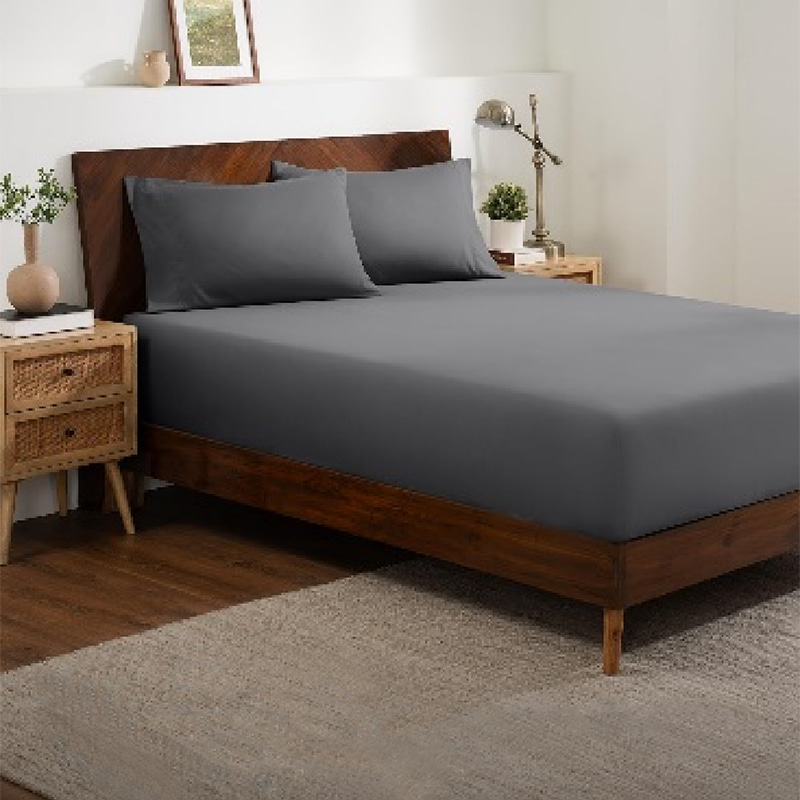
A standard queen bedding set usually includes a flat sheet, a fitted sheet, and two pillowcases. Some sets are sold as “4-piece queen size” and also include a duvet cover or a quilt. The fitted sheet matches the 60x80 mattress plus pocket depth, while the flat sheet is sized to drape over the sides. For a queen, the pillowcases are made for standard pillows, but you can also find queen-size pillows that measure about 20x30 inches. When you buy a set, you want to ensure the fabric is a good match for your sleep style. Cooling sets are ideal for hot sleepers, while pure cotton and bamboo fiber sets are great for everyday comfort and breathability.
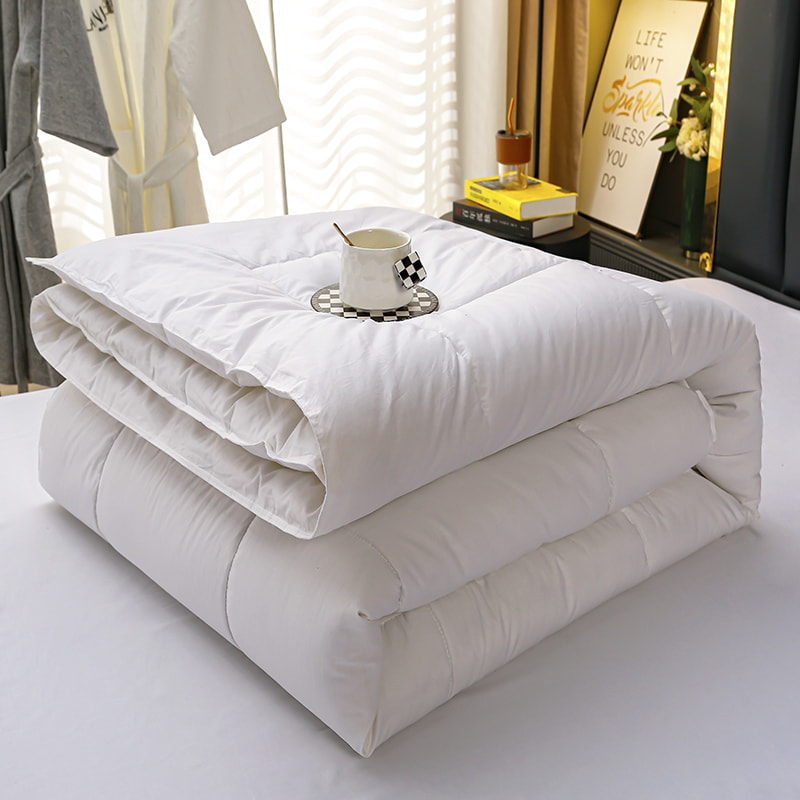 4-Piece Queen-Size Bamboo Fiber Sheet SetThis set includes organic bamboo viscose sheets with a 300-thread count, offering breathable and moisture-wicking comfort. It's a practical choice for warm sleepers seeking a natural, soft, and durable bedding option.View Product →
Suppose you are looking for a full set that combines a natural, breathable material with the correct queen dimensions. In that case, a bamboo fiber 4-piece queen size set covers the key items in one purchase. Bamboo fiber is naturally moisture-wicking and soft, which makes it well suited for people who tend to sweat during the night. The material also has a smooth, silky feel that many consumers prefer over rough cotton. For a queen bed, the fitted sheet ensures a snug fit around the mattress, while the flat sheet and pillowcases complete the cover. This is a practical, low-maintenance choice for a master bedroom or an upgraded guest room.
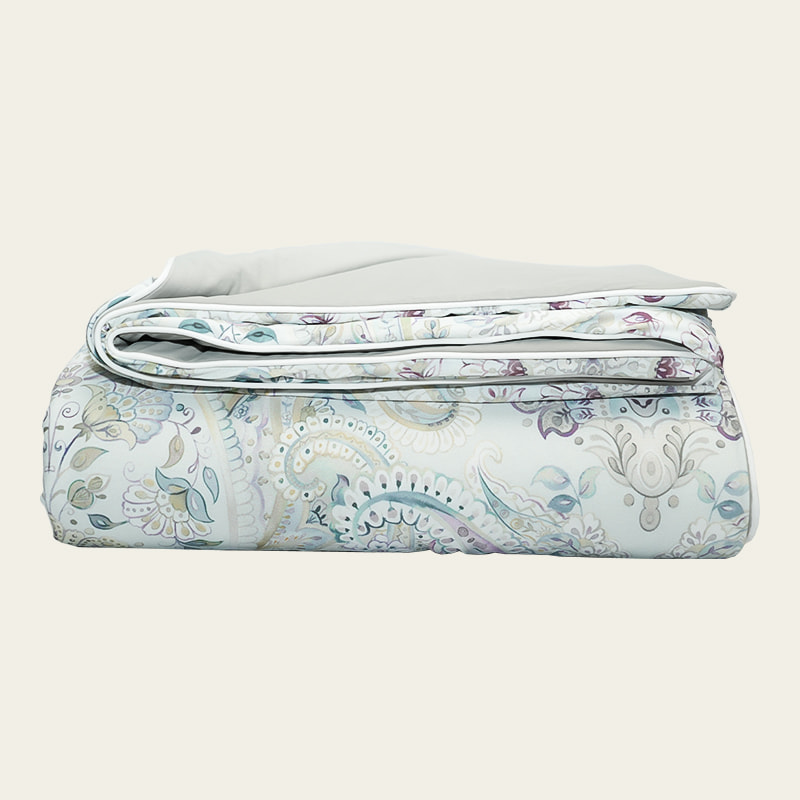
The quilt core is the main layer that provides warmth and comfort on top of your bed. For a queen bed, the quilt core must be wide enough to cover both sleepers and long enough to tuck in at the foot. A quilt core that is too small will leave cold edges, while one that is too large may bunch up and look untidy. The material selection matters a lot: down feathers are traditional and breathable, while synthetic cooling fibers are designed for summer use. Understanding how material choice affects insulation can help you make a better decision. We have discussed this in detail in our article about quilt core materials and insulation.
For hot climates or summer months, a cooling quilt made of nylon or polyester ammonia is a practical option. These fabrics have a lower specific heat capacity, so they feel cool to the touch. A queen size cooling quilt should also have enough width to cover the entire bed. For winter, a soft goose down quilt offers excellent warmth without excessive weight. Down is naturally fluffy and retains heat well, making it ideal for chilly nights. When you choose a queen size quilt, always check the package dimensions to ensure it fits a 60x80 mattress.
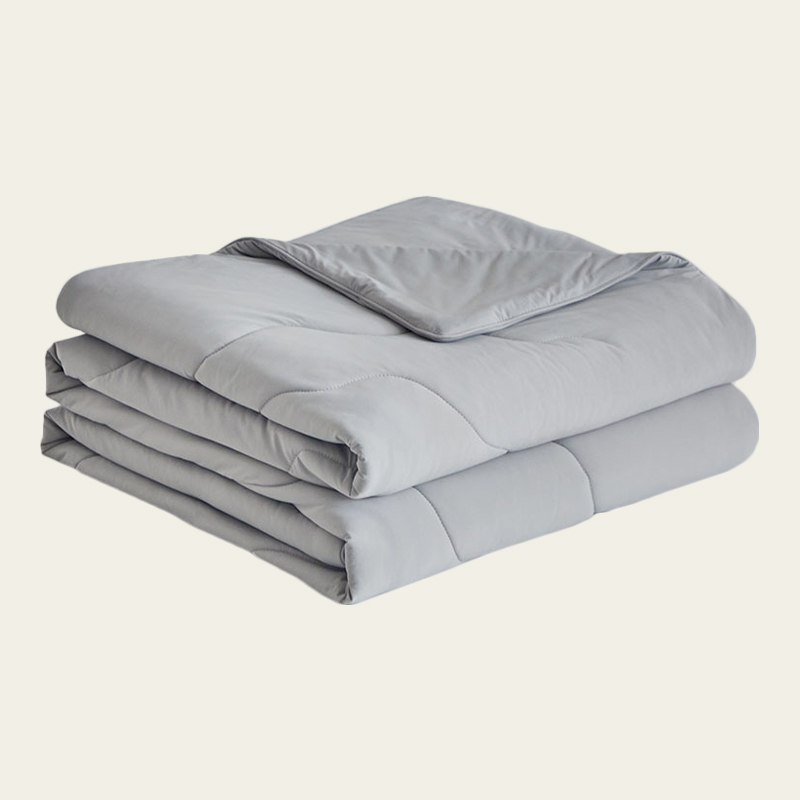
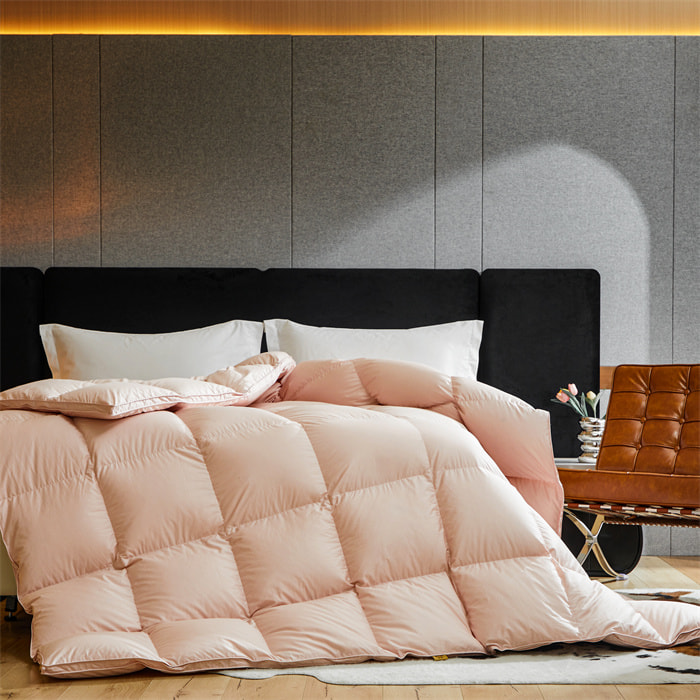 Luxury Soft Goose Down QuiltFilled with 95% goose down and feathers, this RDS-certified quilt delivers exceptional warmth and fluffiness with 800+ fill power. Its box-stitch design prevents shifting, making it ideal for cold nights.View Product →
If you prefer a feather-down quilt, look for a high down ratio, which means more insulating clusters and fewer quills. A high-quality down quilt should be sewn into box baffles or channels so the down does not shift to one side. This is particularly important for a queen bed because both sleepers need equal warmth. A luxury soft goose down quilt with a high fill power will provide lightweight warmth and a drape that feels cozy without being heavy. It is a long-lasting investment for a bed that you use every night.
Most queen bedding sets include two pillows, and the pillow core determines how those pillows feel. A pillow core can be made from down, feather, or a blend of synthetic fibers. The firmness of the pillow core affects your neck alignment and overall sleep quality. Side sleepers usually prefer a medium to firm pillow with a higher loft, while back sleepers may need a softer, lower pillow. Stomach sleepers should choose an extra thin pillow to avoid straining the neck. A good pillow core should also be breathable to prevent overheating around the head.
For a queen bed, two standard-size pillows are usually enough, but you might want to add extra decorative pillows if you use a larger headboard. Down pillow cores are soft, moldable, and retain their shape for a long time. Synthetic down alternatives are hypoallergenic and easier to wash. If you are concerned about dust mites, a down pillow with a tightly woven down-proof shell is a safer choice. The double-layer anti-down design prevents feathers from poking through the fabric, which is a common issue with cheap feather pillows.
The material of your queen bed bedding set determines how it feels, how long it lasts, and how well it regulates temperature. Cotton is a classic choice because it is soft, durable, and breathable. Bamboo fiber is smooth, moisture-wicking, and naturally antibacterial. Cooling fabrics are engineered to lower skin temperature and are ideal for summer sleepers. Each material has its own strengths and trade-offs. Let's compare them in a table to make it easy to decide.
| Material | Breathability | Cooling Effect | Softness | Best Season |
|---|---|---|---|---|
| Pure Cotton | High | Moderate | Soft and smooth | All seasons |
| Bamboo Fiber | Very High | High | Silky and supple | Spring / Summer |
| Nylon / Polyester Cooling | Medium | Very High | Cool to touch | Summer |
| Down / Feather Quilt | Medium | Low (warm) | Plush and cozy | Autumn / Winter |
From the table, you can see that cotton is the most balanced all-round material. Bamboo fiber is best if you want to stay dry during warm nights. Cooling fabrics are the winners for hot sleepers who live in warm climates. Down is not a cooling material; it is for warmth. When you shop for a queen bed size set, ask yourself what your main issue is: too hot, too cold, or average comfort. This simple question will narrow down the material choice immediately. For a four-piece bed set, fabric quality directly affects how many washes it can handle. You can learn more about useful fabric characteristics in our guide to four-piece bed set fabrics. If you want a moisture-wicking set with a natural origin, a 4-piece bamboo fiber set is an excellent option.
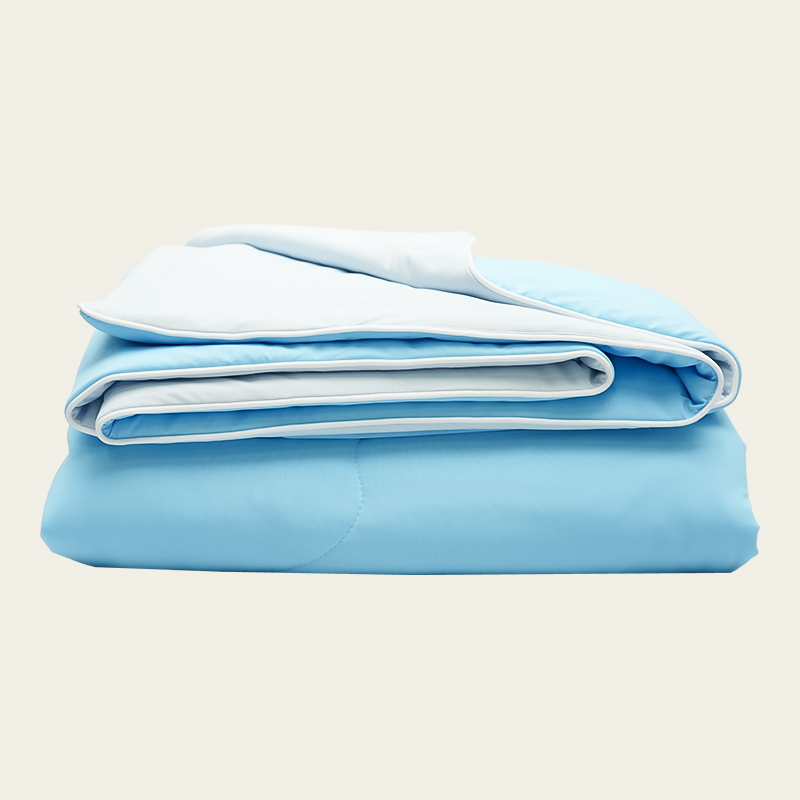
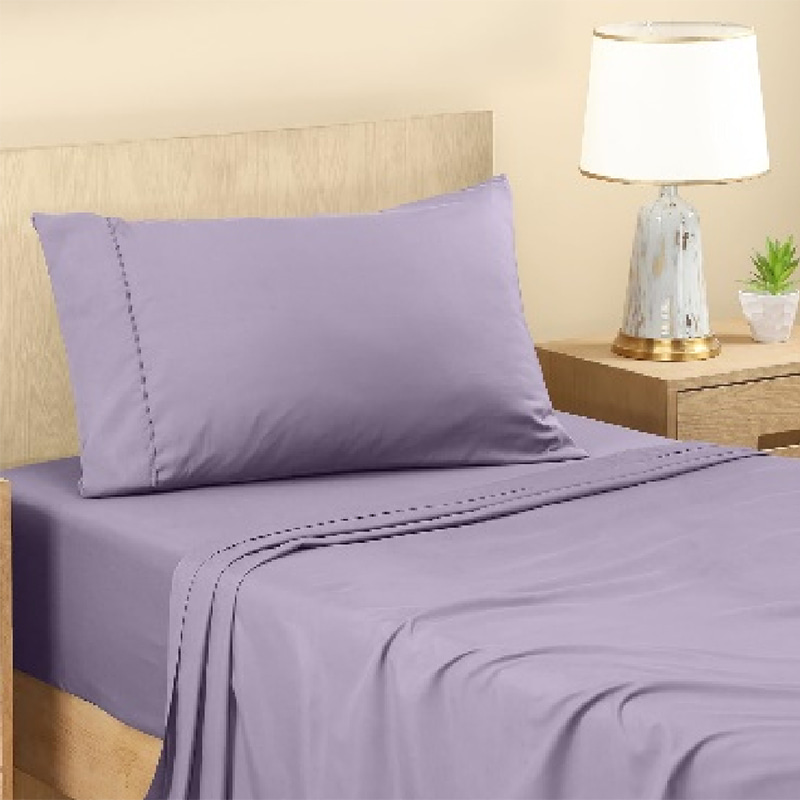 4-Piece Queen-Size Cooling Sheet SetThis set includes flat and fitted sheets plus pillowcases in a cooling microfiber blend, designed to regulate temperature for hot sleepers. Its durable, easy-care fabric holds up well to frequent washing.View Product →
On the other hand, a cooling bed kit with a 4-piece queen size configuration is specifically designed for warm climates. It includes cooling sheets and a cool-touch surface to lower the bed temperature. Such kits are usually made from nylon or polyester ammonia, which dissipates heat quickly. This can make a noticeable difference for people who wake up sweaty. For winter, you would remove the cooling sheets and replace them with flannel or cotton flannel, while the quilt core provides the main warmth.
Queen size bedding comes in several types, each designed for a specific use. The most common type is the classic sheet set, which is used all year round. A duvet set includes a duvet cover and pillowcases, but you still need a separate quilt core. A comforter or quilt set is thicker and already filled, so you do not need an extra quilt. Cooling sets are designed for hot sleepers and use cool-touch fabrics. Also, there are fitted sheets with deep pockets, which are ideal for thick mattresses or mattress toppers.
When you buy queen size bedding, pay attention to the thread count, weave, and fabric finish. A higher thread count, such as 300 or 400, generally feels softer and more durable, but over 600 can feel too dense and heavy. The weave, whether percale or sateen, affects the texture. Percale is crisp and cool, while sateen is silky and shiny. Another key feature is the side marking on the fitted sheet, which tells you which end is the head. This is a small detail that saves time when making the bed.
Your choice of queen bed size bedding changes with the season. In summer, you want cool sheets and a light quilt. In winter, you need a higher fill power down quilt and warmer sheets. In moderate climates, a pure cotton set with a medium-weight quilt works all year. If you have a guest room, a queen bed is a smart choice because most guests are familiar with the size. If you are setting up a master bedroom, you might want to invest in a premium bamboo or cooling set for maximum comfort.
Proper care extends the life of your queen bedding. Wash sheets and pillowcases at a moderate temperature with a gentle detergent. Avoid bleaching, as it can weaken the fibers. Down quilts should be washed sparingly and only if the care label allows; airing them outside is safer. For cooling fabrics, wash them in cold water and avoid fabric softeners that can reduce the cooling effect. Always dry your bedding completely to prevent mildew. For a queen quilt core, use a duvet cover to keep it clean and reduce the need for frequent washing.
If you have a down quilt, fluff it regularly to restore its loft. You can also put it in a dryer with a couple of tennis balls on low heat. This is a common approach to maintain the fluffy structure of down fillings. Follow the manufacturer's instructions for best results.
A queen bed size measures 60 inches wide by 80 inches long. It is a standard size that fits most bedrooms and is popular among couples.
No. A full bed is 54 inches wide and 75 inches long, while a queen is 60 inches wide and 80 inches long. The queen is significantly wider and longer, giving you more room.
Most queen bed sets include two pillowcases, which is enough for two standard pillows. If you add decorative pillows, you may want additional cases.
Bamboo fiber and cooling fabrics are the best choices for hot weather. They are moisture-wicking and help keep your body temperature down during sleep.
Yes, many manufacturers and suppliers offer queen size bedding in bulk for wholesalers and brand partners. As a factory, we produce queen size sets, quilts, and pillow cores for both retail and commercial buyers.
When you understand the queen bed size and what goes into a well-fitted bedding set, it becomes much easier to shop. Start with the correct dimensions, then choose materials that match your local climate and personal sleep habits. Whether you are a wholesaler, a brand owner, or an individual buyer, paying attention to these details will result in a bed that looks great and feels even better.
 Zhihao Industrial Park, Chuanjiang Town, Tongzhou District, Nantong, Jiangsu Province
 +86-13814711705
 yueluo800@163.com
Copyright © Nantong Yueluo Home Furnishings Co., Ltd
Rights Reserved.