en

Search
 English
 日本語
日本語 한국어
한국어 عربى
عربى Español
 русский
Inquiry Now
Content
Quilt cores serve as the insulating heart of your bedding, with four primary types dominating the market: down and feather, synthetic polyester, wool, and silk. Each type offers distinct thermal properties, weight characteristics, and maintenance requirements that directly impact sleep quality and longevity.
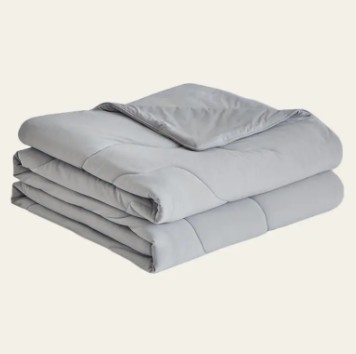
Down and feather cores remain the gold standard for lightweight warmth, with goose down providing 800+ fill power for superior loft. Duck down offers a more affordable alternative at 600-700 fill power. These cores excel in breathability but require professional cleaning.
Wool cores provide natural temperature regulation, absorbing up to 30% of their weight in moisture without feeling damp. Merino wool varieties offer exceptional softness compared to traditional sheep's wool, making them ideal for year-round use.
Silk cores represent the premium tier, containing 100% mulberry silk layers that provide hypoallergenic properties and lightweight insulation. These cores typically last 10-15 years with proper care, significantly outlasting synthetic alternatives.
Polyester fiberfill cores dominate the budget segment, offering machine-washable convenience at 50-70% lower cost than natural fills. High-quality microfiber alternatives mimic down's loft with 3D spiral fiber technology, though they typically compress 20-30% faster than natural materials.
| Core Type | Warmth Rating | Lifespan (Years) | Care Complexity |
|---|---|---|---|
| Goose Down | Excellent | 15-20 | Professional |
| Duck Down | Very Good | 10-15 | Professional |
| Wool | Good | 10-12 | Moderate |
| Silk | Moderate | 10-15 | Moderate |
| Polyester | Variable | 3-5 | Easy |
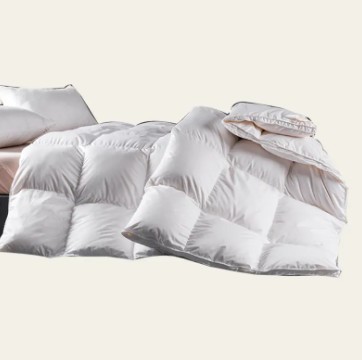
These three bedding components form an integrated sleep system where material choices and construction methods directly influence overall comfort and hygiene. Understanding their relationships helps optimize your entire bedding investment.
Quilt cores and pillow inserts frequently share identical fill materials, with manufacturers often using the same down batches or polyester fibers for both products. This consistency ensures uniform thermal regulation across your upper body. When purchasing a down quilt core, matching it with down pillow inserts creates cohesive loft characteristics that maintain consistent compression rates.
However, mattresses operate on different engineering principles. While quilt cores prioritize lightweight insulation, mattresses require structural support. Memory foam mattresses pair exceptionally well with down quilt cores because the foam's contouring properties complement the quilt's draping ability. In contrast, innerspring mattresses benefit from wool quilt cores that provide consistent warmth without the shifting that occurs with lofty down on uneven surfaces.
The average person sheds 1.5 grams of skin cells daily, with quilt cores, pillow inserts, and mattresses forming a cumulative ecosystem for dust mites. Quilt cores require the most frequent cleaning (every 3-6 months for surface cleaning), while pillow inserts need replacement every 1-2 years due to direct facial contact. Mattresses typically last 7-10 years but require quarterly rotation to prevent uneven wear that affects how quilt cores drape and insulate.
Temperature regulation works synergistically: a breathable wool quilt core paired with a cooling gel mattress and shredded latex pillow inserts creates optimal airflow. Conversely, memory foam mattresses retain heat and require lightweight down alternative quilt cores to prevent overheating.
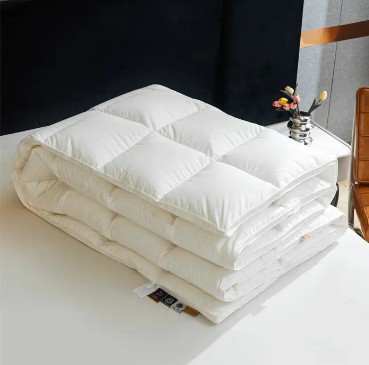
Cleaning methods depend entirely on the core material, with incorrect procedures potentially destroying loft, causing clumping, or voiding warranties. Always check manufacturer labels, but these guidelines cover standard scenarios.
Polyester and microfiber cores tolerate home washing when following specific protocols. Use a front-loading washing machine only—agitator-style machines tear baffle boxes. Set water temperature to warm (40°C/104°F maximum) and select a gentle cycle with extra rinse to eliminate detergent residue that causes flattening.
Drying requires low heat for 2-3 hours with three clean tennis balls or dryer balls to break up clumps. Remove the quilt every 30 minutes to manually redistribute fill. Incomplete drying leads to mildew; if any dampness remains after 3 hours, air-dry for 24 hours before storage.
Down, wool, and silk cores demand professional cleaning. Down loses essential oils in water, causing brittle quills that puncture fabric. Professional cleaners use hydrocarbon solvents that preserve natural lanolin in wool and silk sericin proteins. Expect costs of $40-80 per quilt, depending on size and fill type.
Between professional cleanings, spot-clean stains using mild soap and cold water applied with a white cloth—never rub, only blot. Use a UV-protected duvet cover to reduce washing frequency; quality covers extend cleaning intervals from 6 months to 2-3 years for natural cores.
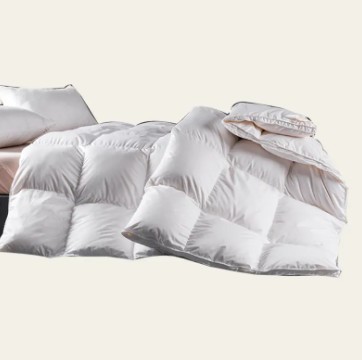
Quality quilt cores resist both shedding and deformation when properly constructed, but material type and usage patterns significantly impact longevity. Understanding failure mechanisms helps prevent premature replacement.
Down and feather shedding typically stems from two issues: insufficient thread count in the shell fabric (minimum 300 TC cotton required) or damaged baffle boxes. High-quality cores use down-proof cambric cotton with double-stitched seams. If you observe more than 5-10 feathers escaping monthly, the shell has degraded and requires replacement.
Synthetic fills rarely shed but suffer from fiber migration—polyester clusters shift toward quilt edges, creating thin center sections. This occurs due to inadequate baffle box construction. Look for quilts with internal baffle walls (minimum 2 inches high) rather than simple sewn-through patterns that allow lateral shifting.
Compression loss represents the primary shape failure mode. Down cores lose 5-10% of loft annually under normal use, accelerating to 20% annually if compressed in storage. Store all quilt cores in breathable cotton bags in climate-controlled environments—never vacuum-seal natural fills.
Wool and silk cores maintain shape longest due to fiber resilience, though wool felts if exposed to heat or agitation. Rotate your quilt monthly (top-to-bottom, not side-to-side) to distribute compression evenly. For queen and king sizes, this prevents the "middle valley" formation where body weight concentrates.
| Core Type | Shedding Risk | Shape Loss Timeline | Prevention Key |
|---|---|---|---|
| High-Quality Down | Minimal | 5-7 years | Proper storage |
| Budget Down | Moderate | 2-3 years | Shell quality |
| Wool | None | 8-10 years | Avoid felting |
| Silk | None | 10+ years | Gentle handling |
| Polyester | None | 1-2 years | Fluffing frequency |
Replace your core when the loft decreases by 30% or cold spots become noticeable. For down cores, hold the quilt to light—if you see significant empty baffle sections, the fill has degraded. Synthetic cores require replacement when clumping persists after washing and drying.
Direct use accelerates soiling and voids most warranties. Always use a cover; it reduces washing needs by 80% and protects shell integrity. If you prefer an uncovered weight, use a flat sheet between your body and the quilt.
Fill power measures cubic inches per ounce of down (e.g., 800 FP means one ounce occupies 800 cubic inches). Higher numbers indicate superior loft and warmth-to-weight ratio. For climates below 10°C (50°F), choose 700+ fill power; for milder conditions, 550-650 suffices.
Hypoallergenic depends on the material, not the core construction. Down alternatives and silk cores suit most allergy sufferers. True down allergies are rare (5% of reported reactions); most "down allergies" actually respond to dust mites or improper cleaning. Look for NOMITE-certified down cores with tight weave barriers.
Incomplete drying causes mildew odors in all core types. Down requires 3+ hours of low-heat tumbling; stopping early traps moisture. For persistent odors, rewash with white vinegar rinse (1 cup per load) to neutralize bacterial growth, then dry completely.
DIY repairs risk further damage. Professional reconditioning costs $50-100 but restores structural integrity. For minor shell tears, use iron-on patching tape on the inner lining only—never the outer shell. Baffle box reconstruction requires industrial sewing equipment.
Humidity dictates material performance. Down excels in dry climates but loses insulation when damp. Wool maintains 80% of its insulating value when wet, making it superior for humid regions. Silk provides the most consistent performance across temperature ranges but offers less overall warmth per weight.
 Zhihao Industrial Park, Chuanjiang Town, Tongzhou District, Nantong, Jiangsu Province
 +86-13814711705
 yueluo800@163.com
Copyright © Nantong Yueluo Home Furnishings Co., Ltd
Rights Reserved.