en

Search
 English
 日本語
日本語 한국어
한국어 عربى
عربى Español
 русский
Inquiry Now
Content
Choosing bedding sets comes down to matching fabric structure to sleeping temperature and skin sensitivity, and the fastest way to narrow the decision is to compare cooling bed kits against pure cotton bedding sets and bamboo fiber bedding sets side by side before looking at color or pattern. Each of these three categories solves a different problem: cooling kits target heat retention during warmer months, cotton sets prioritize breathability and durability across seasons, and bamboo fiber sets emphasize a smooth hand feel with natural moisture handling. The sections below walk through how each fabric performs, what construction details affect comfort, and how to match a bedding set to a specific sleep environment.
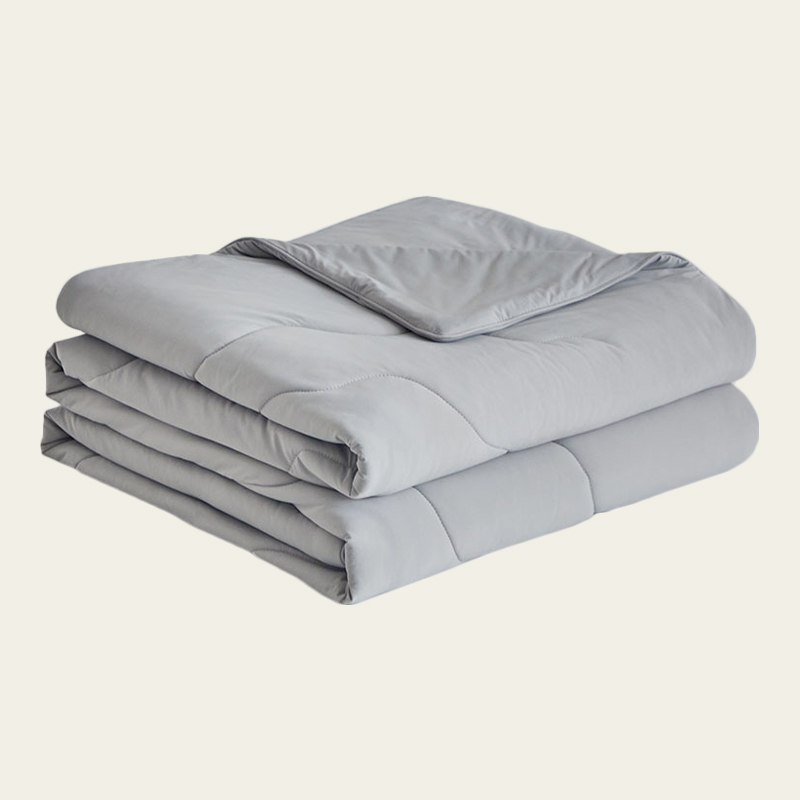
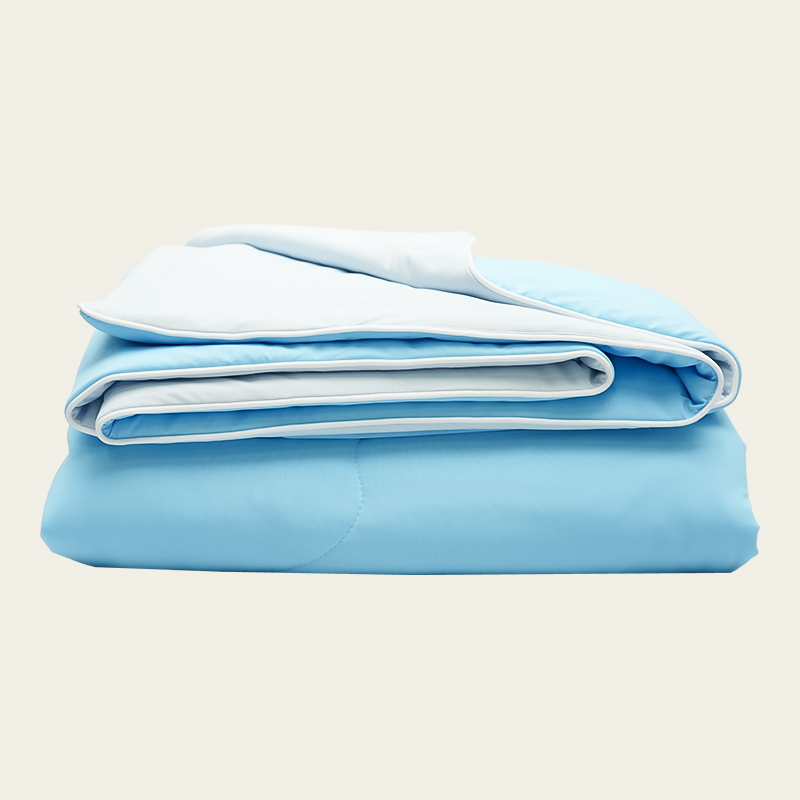
Cooling bed kits are built from fabrics and weave structures engineered to move heat away from the body faster than standard bedding, typically through moisture wicking fibers, looser weave density, or lightweight fill materials in the accompanying quilt or comforter. The core function of a cooling bed kit is faster heat dissipation rather than a fixed cold sensation, since actual surface temperature depends on room conditions, humidity, and how the fabric interacts with body moisture during the night.
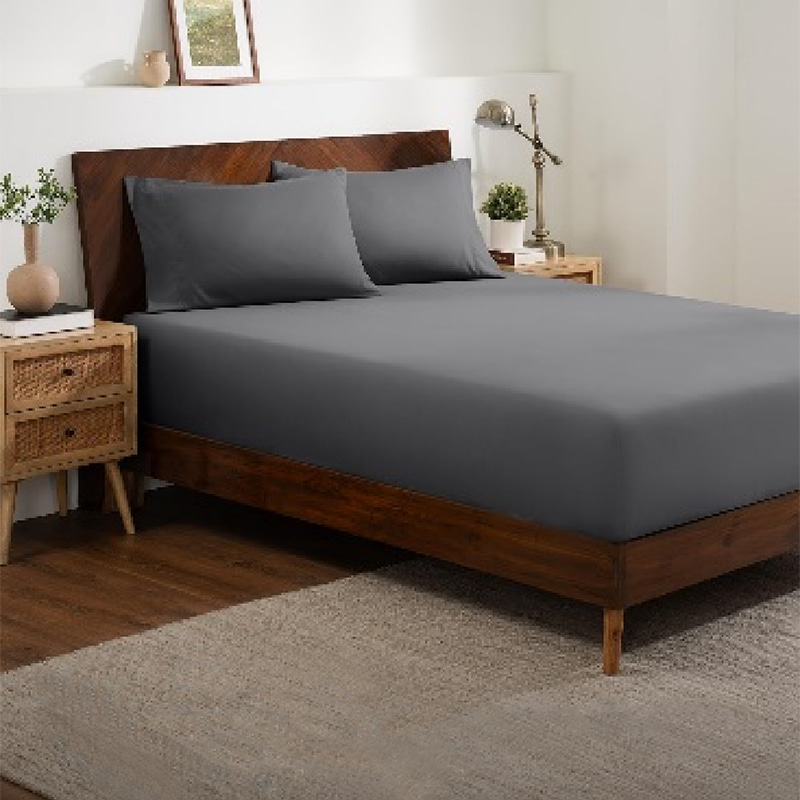
Common cooling kit components include a lightweight top sheet, a breathable fitted sheet, and pillowcases made from finer yarn counts that allow more airflow through the fabric structure. According to sleep environment research summarized by the National Sleep Foundation, bedroom temperature and bedding breathability are among the most consistently cited factors affecting sleep continuity, which is part of why cooling bed kits have grown in popularity for warmer regions and summer seasonal use.
General surface temperature trend under a cooling bed kit across a typical overnight period, illustrating how heat builds gradually after lights out before settling into a steadier range during deeper sleep stages. The downward slope shown here represents the rate at which surface warmth is carried away from the body rather than an absolute temperature value, since actual readings vary by room climate and individual body heat output. Fabrics with tighter wicking structures tend to show a flatter curve later in the night, meaning less heat accumulation compared with denser weaves. This pattern is broadly consistent with general textile comfort studies that link fiber structure to perceived nighttime warmth, and readers should treat the chart as a conceptual illustration rather than a laboratory measured dataset.
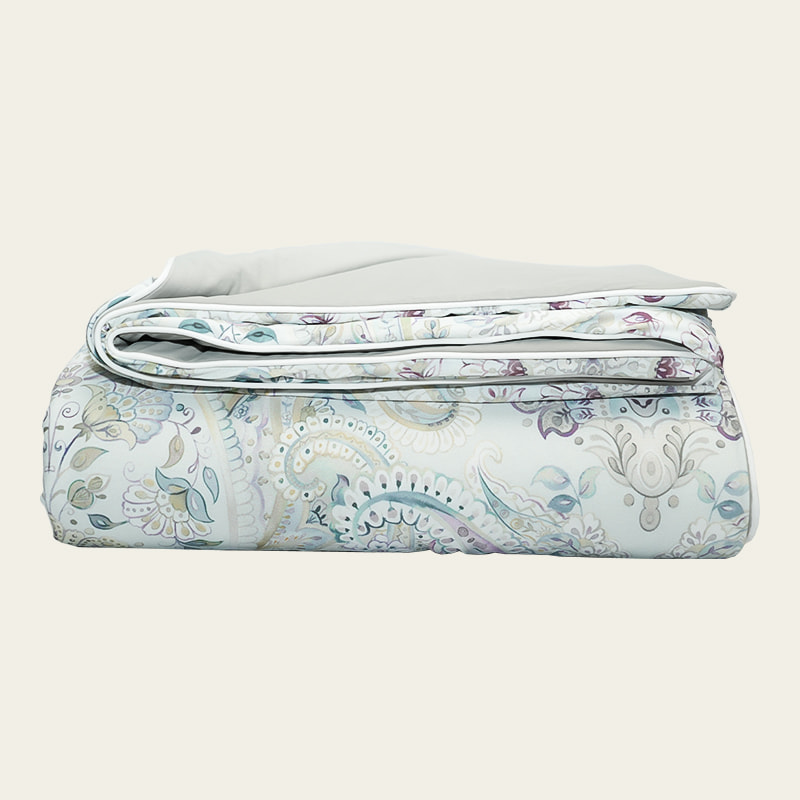
A pure cotton bedding set uses one hundred percent cotton fiber across the sheets, pillowcases, and duvet cover, which gives the fabric natural breathability along with a familiar soft texture that tends to soften further with repeated washing. Cotton fiber absorbs and releases moisture efficiently, which helps regulate the microclimate between the body and the bedding surface across a wider range of room temperatures compared with purely synthetic fabrics.
Thread count and weave type both influence how a pure cotton bedding set feels and performs. Percale weaves produce a crisp, matte finish with strong airflow, while sateen weaves create a smoother, slightly heavier drape with subtle sheen. Long staple cotton varieties, including combed and long fiber cotton, generally produce fewer loose fibers and a smoother surface than shorter staple cotton because the longer threads reduce pilling over time.
| Weave Type | Feel | Typical Use |
|---|---|---|
| Percale | Crisp, matte, breathable | Warm season use |
| Sateen | Smooth, slight sheen | Year round comfort |
| Combed Cotton | Soft, fewer loose fibers | Sensitive skin use |
Illustrative breathability comparison between pure cotton bedding and a general blended fabric baseline, expressed as a relative index rather than a certified test figure. The larger gold segment represents the airflow advantage typically associated with natural cotton fiber structure due to its open weave and moisture absorbing properties. The smaller segment reflects the comparatively lower airflow often seen in denser blended fabrics that include synthetic content. This visualization is meant to help readers understand why cotton remains a widely recommended baseline fabric for everyday bedding across most climates, though individual results depend heavily on thread count, weave tightness, and finishing treatments applied during manufacturing.
A bamboo fiber bedding set is typically made from viscose or lyocell derived from bamboo pulp, processed into a fine yarn that produces an exceptionally smooth surface feel often compared to a light silk touch. Bamboo derived fabric fiber tends to have a naturally smoother cross section than cotton, which reduces surface friction against skin and can feel cooler to the touch on initial contact, though this sensation levels out once the fabric warms to body temperature.
Moisture handling is another frequently cited property of bamboo fiber bedding, since the fiber structure allows moisture vapor to pass through the fabric relatively quickly, which some sleepers associate with a drier feeling surface overnight. This characteristic makes bamboo fiber bedding sets a common choice for humid climates or for sleepers who prefer a lightweight, drapey fabric hand over the crisper texture of percale cotton.
Radar summary of bamboo fiber bedding set characteristics across five comfort related dimensions including softness, moisture wicking, durability, breathability, and fabric weight. The shape shows that softness and moisture wicking tend to score strongest for bamboo derived fabric, which aligns with common feedback describing the material as smooth and quick drying against the skin. Durability sits at a moderate level compared with tightly woven long staple cotton, reflecting the generally finer and more delicate nature of bamboo derived yarns, while breathability remains solid due to the fiber structure allowing air and moisture vapor to pass through relatively easily. This radar view is a conceptual summary intended to guide fabric selection rather than a laboratory verified rating.
Horizontal comparison of relative moisture wicking speed across four common bedding fabric categories, based on general fiber behavior rather than a single certified lab test. Bamboo fiber tends to move moisture vapor away from the skin fastest because of its fine, naturally absorbent fiber structure, which is part of why it is often recommended for humid climates. Cooling kits are engineered specifically for airflow and moisture transfer, placing them close behind bamboo fiber in this comparison, while pure cotton offers a dependable middle ground that balances moisture handling with long term durability. Blended fabrics containing synthetic content typically wick moisture more slowly, which is a useful factor to weigh for sleepers prone to overheating.
Selecting between cooling bed kits, pure cotton bedding sets, and bamboo fiber bedding sets is largely a matter of matching fabric behavior to personal temperature preference, climate, and skin sensitivity rather than choosing based on appearance alone. No single fabric category outperforms the others across every condition, since cotton offers dependable breathability and durability, bamboo fiber offers a smoother surface with efficient moisture handling, and cooling kits combine construction techniques specifically aimed at reducing heat buildup during sleep.
| Sleep Priority | Suggested Bedding Type |
|---|---|
| Overheating during sleep | Cooling bed kit |
| Everyday durability and breathability | Pure cotton bedding set |
| Smooth skin contact and humidity control | Bamboo fiber bedding set |
| Sensitive skin comfort | Combed cotton or bamboo fiber |
Relative long term durability rating across four common bedding fabric categories based on general textile wear observations shared across the home textile industry. Pure cotton bedding sets tend to show the strongest long term durability due to the natural fiber strength and resistance to repeated washing cycles. Cooling bed kits and bamboo fiber sets both perform well but may show slightly earlier signs of surface wear depending on weave tightness and finishing process, while blended fabric bedding generally sits at a more moderate durability level because synthetic content can behave differently from natural fiber under frequent laundering. This chart is intended as a general reference pattern rather than a certified wear test result for any specific product line.
Proper washing and drying habits have a meaningful effect on how long any bedding set retains its original softness and color, regardless of whether the fabric is cotton, bamboo fiber, or a cooling blend. Washing in cooler water and avoiding excessive dryer heat generally helps preserve fiber structure, since high heat exposure over repeated cycles is one of the more common causes of premature fabric breakdown in home textiles.
Nantong Yueluo Home Furnishings Co Ltd was established in 2008 and has long been committed to the production and innovation of a full range of bedding products, including bedding cores, bedding kits, and mattresses, offering comprehensive solutions for home sleep environments. As a source factory, the company maintains complete production and testing equipment alongside a scientific quality management system that supports consistent output across cotton, bamboo fiber, and cooling bedding set lines.
The company focuses on carefully selected materials and exquisite craftsmanship to support a comfortable and healthy sleeping environment for consumers, applying this approach consistently across pure cotton bedding sets, bamboo fiber bedding sets, and cooling bed kits produced for both domestic and international markets.
Cooling bed kits use fabric structures and lightweight construction specifically chosen to move heat and moisture away from the body faster than standard bedding, which can help reduce the feeling of overheating during warmer nights.
Pure cotton bedding sets generally perform well across most seasons because the fiber naturally balances breathability in warmer weather with reasonable warmth retention in cooler conditions, making cotton a common year round choice.
Bamboo fiber bedding typically has a smoother, more silk like surface feel compared with cotton, along with efficient moisture vapor transfer, while cotton generally offers a crisper texture and stronger long term durability.
Yes, many households combine a cotton or bamboo fiber sheet set with a cooling pillowcase or lightweight cooling comforter to balance texture preference with temperature regulation based on seasonal needs.
Replacement timing depends on wash frequency, fabric quality, and daily wear, though most bedding sets show noticeable changes in softness and appearance over an extended period of regular use, at which point replacement is generally considered.
Nantong Yueluo Home Furnishings Co Ltd operates as a source factory with complete production and testing equipment, supporting bedding set development across cotton, bamboo fiber, and cooling fabric categories for business partners.
 Zhihao Industrial Park, Chuanjiang Town, Tongzhou District, Nantong, Jiangsu Province
 +86-13814711705
 yueluo800@163.com
Copyright © Nantong Yueluo Home Furnishings Co., Ltd
Rights Reserved.